

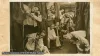
Hillsborough County's Role in the Chitlin' Circuit
Long before national stages welcomed Black performers, Hillsborough County played a vital role in a powerful cultural movement known as the Chitlin' Circuit. During segregation, this network of venues gave Black musicians, entertainers, and audiences places to gather, perform, and build community.
The ‘Harlem of the South’ and its lasting musical legacy
From the 1930s through the 1960s, Central Avenue (often called the "Harlem of the South") was lined with Black-owned clubs, theaters, and juke joints. These spaces hosted jazz, blues, and rhythm and blues performances that shaped the sound of American music and supported artists whose talent might otherwise have gone unseen.
Through interviews, archival footage, and storytelling, this Art813 episode captures the voices and history behind Hillsborough County's Chitlin' Circuit era.
More than just entertainment
The Chitlin' Circuit offered more than entertainment, though. For Black musicians traveling under Jim Crow laws, it provided safer places to perform and connect with audiences. For the community, these venues were cultural spaces filled with music, fashion, conversation, and pride.
That legacy continues to echo today. From historical markers to ongoing efforts to preserve and share these stories, Hillsborough County remains deeply connected to the music and the people who helped define this era.
Honoring the roots of Black performance culture
During Black History Month, these stories serve as a reminder of how creatively, resilience, and community shaped a lasting cultural heritage. Learn more about Hillsborough County's connection with the Chitlin' Circuit.