

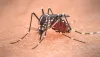
The sun is going down, your grill-master skills are on full display, and you have a cold drink in your hand. Does it get any better than this? But then you hear an annoying buzz in your ear, feel a sharp pinch on your arm; it's mosquito season!
With an increase in mosquitoes also comes an increase in the risk of mosquito-borne illness. The Aedes aegypti and Aedes albopictus species present in Hillsborough County are capable of transmitting viruses such as dengue, zika, chikungunya, and yellow fever. They like to lay their eggs in small water‑holding containers common in yards and neighborhoods. The Culex quinquefasciatus species, which can spread West Nile virus, likes aquatic habitats, especially ones with aquatic plants and organic waste pollutants. They can be found in catch basins, ditches, and containers as well as animal run-off areas that can hold water.
But fear not, with the right clothing and property maintenance, you and your community can still enjoy these summer nights.
When Is Mosquito Season in Hillsborough County?
With a humid subtropical climate, Hillsborough County experiences a hot, wet summer that lets mosquitoes thrive from around May through October. Nearly two-thirds of the annual rainfall occurs between June and September, which creates areas around the County with standing water that are perfect spots for mosquitoes to lay their eggs. While mosquitoes peak during this time, they can remain active through the rest of the year since low temperatures in the winter often stay above the threshold needed to kill them off.
Why Mosquitoes Bite and Their Life Cycle Stages
Only female mosquitoes bite people and other animals because they need the nutrients found in blood to develop their eggs. After feeding, the mosquito will find a suitable place to lay her eggs. Typically, that will be on the surface of standing water, but some species will lay on moist soil or inside containers just waiting for a good rain to fill them and become prime locations for hatching.
The mosquito life cycle has four stages:
- Egg - laid in or near water or moist soil that may fill with water. Eggs of some species can survive dry periods of several months
- Larva - aquatic; often called "wigglers." Larvae feed in water and molt several times
- Pupa - aquatic; non‐feeding stage, sometimes called "tumblers." The adult develops inside this pupal sack
- Adult - emerges from the pupal stage and takes flight. Females will seek a host to bite while males only feed on nectar
In a hot, moist climates like Hillsborough County, the development cycle from egg to adult can happen in as quickly as 6 days.

How Residents and Visitors Can Protect Themselves and Their Homes
You can avoid becoming a mosquito's next meal by properly using insect repellants as instructed. Covering up with a light, long-sleeved shirt, pants, and socks is also effective at giving mosquitoes fewer places to bite, as well as providing bonus sun protection. Find more info on how to protect yourself from mosquitoes on the mosquito prevention webpage.
Don't give mosquitos places to lay eggs: Regularly eliminate standing water around your property. Things like flowerpot saucers, buckets, tires, pet dishes, and bird baths are perfect for catching and holding rainwater. Simply empty them out, cover them, turn them over, or remove them to reduce the number of mosquitoes in your community. Try to inspect your property weekly to find these potential breeding sites; you'd be surprised what can hold water on your property.
For residents with backyard ponds, you can consider introducing mosquitofish, which will eat the mosquito larvae. Hillsborough County holds multiple mosquitofish giveaway events over the summer. Be on the lookout for the 2026 mosquitofish event schedule!
With a little bit of knowledge and planning, you can help keep the mosquito population in your community at a manageable level and continue to enjoy everything Florida has to offer. To learn more about what Hillsborough County does to help control the mosquito population, visit the Mosquito Management webpage.