

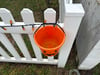
It is important to dump standing water around homes and businesses to keep mosquitoes from breeding and spreading dengue virus
As Hillsborough County continues operations to manage mosquito populations, continued significant rainfall across the Tampa Bay area is creating additional opportunities for the insect pests to breed. With more rain this week, Hillsborough County Mosquito Management is reminding residents to inspect their yards and properties for standing water and eliminate any potential mosquito breeding sites.
Even small amounts of rainwater collected in everyday outdoor items can provide mosquitoes with an opportunity to reproduce. Taking a few minutes to walk around a property after rainfall can help prevent new mosquito populations and support the County's ongoing efforts to reduce the spread of dengue fever.
Check outdoor items for standing water
Residents should regularly check their properties and empty, cover, turn over, or remove items that may collect rainwater. Areas and items to check include:
- Halloween decorations: Empty water from plastic pumpkins, buckets, inflatable decorations, and other seasonal displays. Check recessed areas as well as any hollow spaces.
- Gutters and downspouts: Remove leaves and debris that can cause water to collect and prevent proper drainage.
- Trash and discarded items: Check garbage cans, recycling bins, old tires, bottles, containers, and other items left outdoors.
- Yard equipment: Empty water from buckets, watering cans, wheelbarrows, tarps, grills, toys, and outdoor furniture.
- Planters and landscaping: Empty flowerpot saucers, birdbaths, and other containers that may collect rainwater.
- Other outdoor areas: Check pool covers, pet bowls, low-lying areas, and anything else that may hold standing water.
Residents are encouraged to make these inspections part of their regular routine, particularly following periods of heavy rainfall. Items that cannot be removed should be covered or positioned so water can drain properly.
More rain, more breeding
The Aedes aegypti mosquito, which is responsible for spreading dengue fever in Hillsborough County, is known as a container-breeding mosquito. Unlike mosquitoes that reproduce in large bodies of water, the Aedes aegypti can lay eggs in small containers around homes and businesses.
A discarded cup, bottle cap, flowerpot saucer, or even a small amount of water collected in a Halloween decoration can provide enough water for mosquitoes to reproduce. Female mosquitoes lay their eggs along the inside walls of containers that hold water. When rainfall or additional water covers the eggs, they can hatch into larvae and continue developing. Eliminating standing water is one of the most important steps residents can take to help manage mosquito populations. Even seemingly insignificant amounts of water should not be overlooked.
Cooler weather means more outdoor opportunities
As cooler temperatures approach, residents may begin spending more time outdoors enjoying their yards, neighborhood parks, and other outdoor activities. While cooler and drier conditions generally become less favorable for mosquito development and activity, the pest can remain active in Florida throughout the year. Continued rainfall and standing water can still create opportunities for breeding, even as temperatures begin to drop.
Aedes aegypti mosquitoes can bite during the day, so residents should take precautions throughout the day rather than only during the evening hours. Keeping windows and door screens in good condition can also help prevent mosquitoes from entering homes.
Residents should take precautions to protect themselves from mosquito bites whenever outdoors. Hillsborough County encourages residents to follow the 3 Ds of mosquito bite prevention:
- Dress: Wear loose and light-colored clothing, long sleeves, long pants, socks, and closed-toed shoes to limit skin exposure.
- Defend: Apply an EPA-registered insect repellent containing an effective ingredient such as DEET or Picaridin.
- Dump: Drain or cover standing water around homes and properties to eliminate places where mosquitoes can breed.
State of Local Emergency extended
Hillsborough County continues to take steps to manage mosquito populations and protect residents amid the ongoing outbreak of dengue fever.
Hillsborough County Administrator Bonnie Wise signed an executive order extending the State of Local Emergency through Nov. 5 as the County continues its response to dengue. Hillsborough County Mosquito Management crews are increasing aerial and ground treatments in coordination with local, state, and federal partners.
Visit Hillsborough County's Mosquito Operations webpage to view treatment information, sign up for notifications about localized aerial treatments, report mosquito concerns, and find answers to frequently asked questions.
Mosquito control services are funded in part by Hillsborough County property tax dollars. For information, contact Hillsborough County Mosquito Management Services at (813) 635-5400.